
If you’ve been wondering whether a heat pump might do a better job heating your home than your existing furnace, you’re not alone. It’s one of the most common questions we hear from homeowners across Lansing, Portland, DeWitt, and the surrounding areas, especially as heating bills start climbing in November. The honest answer is: it depends on your home, your priorities, and where you live. Let’s walk through how each system actually works and what makes sense for a Michigan winter.
How Each System Heats Your Home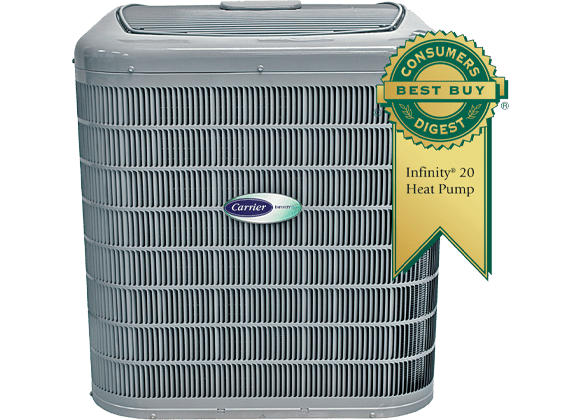
A furnace generates heat by burning fuel, usually natural gas, and pushing that warm air through your ductwork. It’s a straightforward process that most homeowners in Eaton County and Ingham County are familiar with. Turn up the thermostat, the burner fires, and warm air flows through the vents within minutes.
A heat pump works differently. Instead of creating heat, it moves heat. Even in cold outdoor air, there’s usable thermal energy, and a heat pump extracts that energy and transfers it inside. In moderate cold, this process is remarkably efficient because moving heat takes less energy than generating it from scratch. Many heat pumps are also paired with a backup electric or gas heating element for the coldest nights.
Efficiency: Where Heat Pumps Shine (and Where They Don’t)
In terms of raw efficiency, a heat pump has a real advantage in mild to moderate cold. It can deliver significantly more heating energy than the electricity it consumes, something no furnace can claim. For a lot of November and early winter here in Michigan, those conditions apply, and homeowners who make the switch often notice lower monthly energy costs during that middle stretch of the season.
But Michigan winters don’t stay moderate. When temperatures drop well below freezing, a heat pump has to work harder to extract heat from the outdoor air, and its efficiency advantage shrinks. At the coldest extremes, the backup heating element may kick in, which runs on electricity and is less efficient than a gas furnace. That’s why in a climate like ours, around Portland and the greater Lansing area, many homeowners opt for a dual-fuel system: a heat pump that handles most of the season, with a gas furnace as the backup when temperatures get severe. It’s a practical combination that gets the best out of both technologies.
Other Factors Worth Considering
Efficiency isn’t the only thing on the table. A few other points matter when you’re making this decision.
- Your existing setup: If you already have ductwork and a gas furnace that’s running well, upgrading to a high-efficiency furnace might be the simpler and more cost-effective path. If your furnace is aging out, that’s a good moment to seriously evaluate a heat pump or dual-fuel system.
- Upfront cost: Heat pumps typically cost more to install than a straight furnace replacement, though energy savings over time can offset that. We always offer free estimates so you can compare real numbers before committing.
- Year-round value: A heat pump also cools your home in summer, which means one system handles both seasons. For homes in DeWitt and surrounding communities without central AC, that dual capability is a genuine benefit.
- Your utility situation: Natural gas prices and electric rates shift over time. Your local utility costs play a real role in which system pays off faster.
What We’ve Seen in Our 50-Plus Years of Service
Our family has been doing this work across Eaton County, Ingham County, and the surrounding Michigan area for more than 50 years, starting with Gary Hodge and now carried forward by his son Scott, who has spent more than 30 years on the job himself. Both hold college degrees in HVAC, and between the two of them, they’ve seen just about every heating situation a Michigan home can present.
What we’ve found is that there isn’t one right answer for every household. A well-installed, properly sized system, whether it’s a furnace, a heat pump, or a combination of both, almost always outperforms a mismatched or oversized unit. The equipment matters, but so does the installation and the guidance you get before you buy. We work with Carrier products and hold our Michigan state heating and cooling licenses, along with refrigerant and recovery certification, because we believe doing the job right means knowing the details.
Most of our business comes from referrals, and we think that says something about the relationships we build with customers. If you’re weighing a heat pump against a furnace this winter and want a straight, honest conversation about what makes sense for your home, give us a call or drop us an email. We’re happy to help you think it through.