

Geothermal heating is one of those topics that comes up more and more as homeowners look for ways to lower their energy bills and reduce their reliance on traditional fuel sources. The short answer to whether it’s worth it: for the right home and situation, absolutely. But like any major HVAC decision, there’s a lot to consider before you commit. We’ve been helping families across Lansing, Portland, DeWitt, and the broader Eaton County and Ingham County areas stay comfortable for more than 50 years, so we’ve seen firsthand how this technology performs in Michigan’s climate.
How Geothermal Heating Actually Works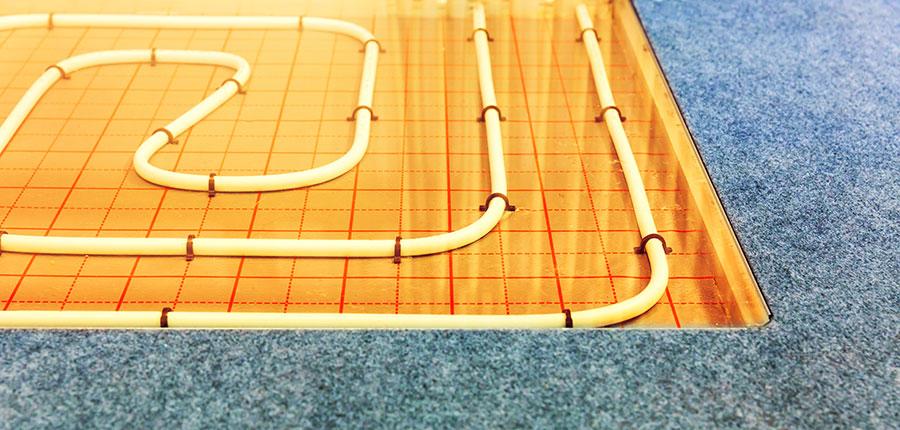
The basic idea behind geothermal heating is simpler than most people expect. A few feet below the frost line, the ground maintains a relatively stable temperature year-round, even through Michigan winters. A geothermal system uses a series of underground loops filled with a water-based solution to pull that stored heat up into your home. In the summer, the process reverses, and heat from inside your house is transferred back into the earth, cooling your living space.
There’s no combustion involved. Instead of burning natural gas or propane, a geothermal heat pump moves heat from one place to another. That’s why these systems are remarkably efficient. For every unit of electricity they use, they can deliver multiple units of heating or cooling energy. Over time, that difference shows up in a meaningful way on your utility bills.
What Makes It a Good Fit (and When It Might Not Be)
Geothermal systems work best when a property has enough outdoor space for the ground loops, or a water source that can support a different loop configuration. Many homes in and around Portland, DeWitt, and the surrounding areas have the kind of yard space that makes installation straightforward. Homes on smaller lots in more developed parts of Lansing or Ingham County can sometimes use vertical loops drilled deeper into the ground, which takes up far less surface area.
The upfront cost is higher than a conventional furnace or heat pump. That’s just the reality, and we’d rather be honest about it than oversell you. But because operating costs are significantly lower, most homeowners see the investment pay off over a reasonable number of years. Federal tax incentives for geothermal installations have also helped make the math work better for a lot of families.
Where geothermal tends to make less sense is in a home you plan to sell in just a year or two, or in a situation where the installation conditions (soil type, lot size, local permitting) would make the project unusually complicated. That’s why a proper site evaluation matters so much before any decision is made.
What Installation Looks Like With Us
Scott Hodge, who has been with Gary’s Heating Service for more than 30 years now, holds a college degree in HVAC just like his father Gary did. That educational foundation, combined with decades of hands-on experience across Eaton County, Ingham County, and surrounding Michigan communities, means we approach geothermal projects with a level of care and technical knowledge that goes well beyond a sales pitch.
We’ll walk you through the options, explain what your property can support, and give you a free estimate so you have a clear picture of the investment before anything is decided. We’re state licensed in heating and cooling, fully bonded and insured, and we work with Carrier products, which are among the more reliable names in geothermal equipment. The fact that the majority of our business comes from referrals tells us our customers feel good about the work long after the job is done.
Is September a Good Time to Think About This?
Honestly, this fall is one of the better times to explore it. Installation crews tend to have more scheduling flexibility between the busy summer cooling season and the deep of winter. Ground conditions in September and early October are generally favorable for the excavation or drilling work involved. If you’ve been thinking about geothermal heating for a while, starting the conversation now means you could have a system in place before the coldest months arrive, or at the very least, have a solid plan ready for spring.
If you have questions about whether geothermal heating makes sense for your home or business, please give us a call or drop us an email. We’re happy to talk it through with no pressure and no obligation.